
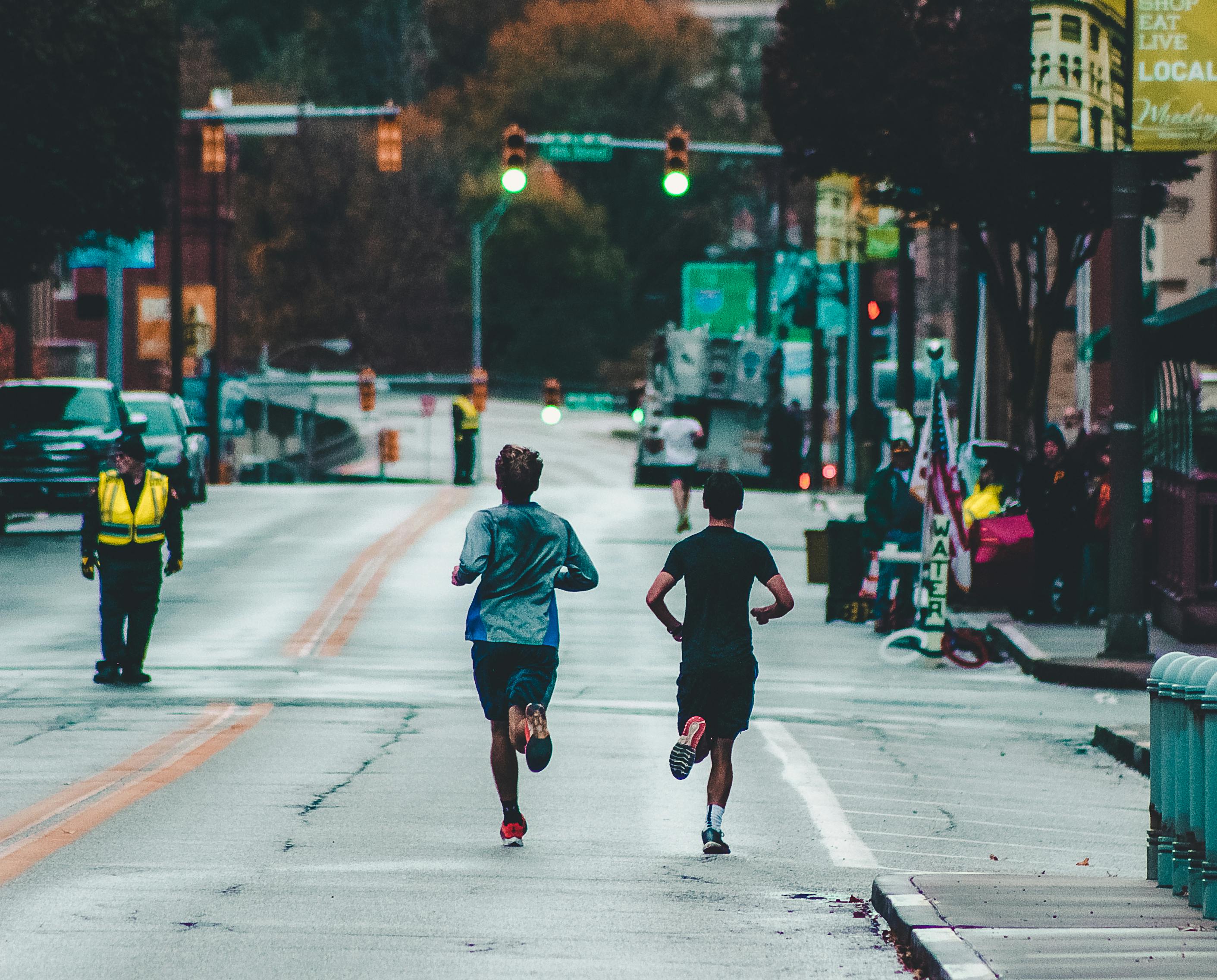
Running isn’t just one-size-fits-all. Let’s dive into different types of running and help you discover which style best suits you. From trail running to treadmill workouts, there’s something for everyone. Let’s explore how each type can add fun and variety to your fitness routine.
Road Running: Benefits and Best Practices
Introduction to Road Running
Road running is one of the most popular types of running. It’s accessible, straightforward, and can be done almost anywhere. Whether you’re running through your neighborhood, a city park, or a coastal pathway, road running offers an excellent way to enjoy the outdoors while getting fit. Let’s get into the benefits and best practices to help you make the most out of your road running experience.

Benefits of Road Running
1. Convenience and Accessibility
One of the greatest perks of road running is its convenience. You don’t need to travel to a special location. Just step out of your front door, and you’re ready to go. This makes it easy to fit a run into your busy schedule. Plus, running on the road gives you the flexibility to choose different routes and discover new places in your area.
2. Cardiovascular Health
Running on the road is fantastic for your heart. It’s a great way to boost your cardiovascular health. Regular road running helps lower blood pressure, improve circulation, and reduce the risk of heart disease. By incorporating this type of running into your routine, you’ll be doing your heart a big favor.
3. Mental Well-Being
Road running isn’t just good for your body; it’s great for your mind too. The rhythmic nature of running can be meditative. It helps reduce stress, anxiety, and even symptoms of depression. Running outdoors allows you to enjoy the scenery, which can be a wonderful mental boost. Plus, achieving your running goals can provide a great sense of accomplishment.
Best Practices for Road Running
1. Plan Your Route
Before you hit the pavement, plan your route. Choose a path that’s safe and suits your fitness level. Look for well-lit areas with minimal traffic. Planning ahead can help you avoid potential hazards and make your run more enjoyable. It’s also a good idea to vary your routes to keep things interesting and avoid monotony.
2. Wear the Right Gear
Investing in a good pair of running shoes is crucial. They should provide proper support and cushioning to prevent injuries. Wear moisture-wicking clothing to keep you dry and comfortable. Don’t forget reflective gear if you’re running early in the morning or late at night. Proper gear makes a big difference in your overall running experience.
3. Warm Up and Cool Down
Always start with a warm-up to get your muscles ready. A five-minute walk or gentle jog works wonders. After your run, don’t skip the cool-down. Stretching helps prevent stiffness and soreness. It only takes a few minutes but makes a big impact on your recovery.
4. Listen to Your Body
Pay attention to how your body feels during your run. If you experience pain or discomfort, it’s okay to take a break. Pushing through pain can lead to injuries. It’s better to be cautious and ensure you’re running safely. Staying in tune with your body helps you enjoy running more and stay injury-free.
5. Stay Hydrated
Hydration is key, especially if you’re running longer distances. Drink water before, during, and after your run. Dehydration can lead to fatigue and affect your performance. Carry a small water bottle or plan your route to include water fountains.
Road running is a fantastic way to explore the different types of running while enjoying numerous health benefits. It’s convenient, beneficial for your heart, and great for your mental health. By following these best practices—planning your route, wearing the right gear, warming up and cooling down, listening to your body, and staying hydrated—you’ll make the most out of your road running adventures. So let’s hit the road! You’re in for a fun and rewarding experience.
Trail Running: Gear, Safety, and Scenery
Introduction to Trail Running
Trail running is a thrilling way to experience the outdoors. It combines the love of running with the beauty of nature. This type of running is growing in popularity. It offers a unique challenge and a fresh perspective compared to road running. Let’s explore the essentials of trail running, including the gear you need, safety tips, and the stunning scenery you’ll encounter.

Essential Gear for Trail Running
1. Trail Running Shoes
The right shoes make all the difference. Trail running shoes are designed for rugged terrain. They offer better grip, stability, and protection than regular running shoes. Look for shoes with deep treads and sturdy construction. Your feet will thank you as you navigate rocks, roots, and mud.
2. Hydration Packs
Staying hydrated on the trail is crucial. A hydration pack is a game-changer. These packs allow you to carry water easily. Some even have pockets for snacks and other essentials. Choose a lightweight pack that fits snugly and doesn’t bounce as you run.
3. Clothing and Layers
Dress for the weather and terrain. Moisture-wicking fabrics keep you dry and comfortable. Layering is key, especially in unpredictable weather. A light, breathable jacket can protect you from wind and rain. Don’t forget a hat and gloves in cooler conditions.
Safety Tips for Trail Running
1. Plan Your Route
Always plan your route before you go. Familiarize yourself with the trail map. Know the distance, elevation changes, and landmarks. This preparation helps you avoid getting lost and ensures a smoother run. Share your plan with someone, so they know where you’ll be.
2. Run with a Buddy
Trail running is more fun with a friend. It’s also safer. A buddy can help if you get injured or lost. Plus, it’s great to share the experience with someone else. If you prefer solo runs, inform someone of your plans and expected return time.
3. Be Aware of Wildlife
Respect the wildlife you may encounter. Stay alert and make noise to avoid surprising animals. Carry a whistle or bear spray in areas known for larger wildlife. Learn about the local fauna and how to react if you come across them. Awareness keeps you and the animals safe.
Enjoying the Scenery
1. Immerse Yourself in Nature
Trail running offers an escape from urban life. You’ll find peace in the rustling leaves, chirping birds, and flowing streams. Take a moment to enjoy the scenery. It’s not just about the run; it’s about the experience. Breathe in the fresh air and let nature rejuvenate you.

2. Capture the Moment
Bring a small camera or your phone. You’ll want to capture the breathtaking views. Whether it’s a mountain vista, a serene forest, or a blooming meadow, these sights are worth remembering. Sharing your trail photos can inspire others to try trail running.
3. Respect the Environment
Leave no trace. Stay on marked trails to protect the ecosystem. Carry out all your trash and avoid disturbing wildlife. Respecting nature ensures that trails remain beautiful for everyone. It’s a simple way to give back to the environment that gives you so much joy.
Trail running is one of the most exciting different types of running. It’s an adventure that combines fitness with nature. With the right gear, safety precautions, and a love for the outdoors, you’ll have an unforgettable experience. So lace up your trail shoes, grab a buddy, and hit the trails. You’re in for a run like no other, filled with stunning scenery and the thrill of discovery.
Treadmill Running: Tips for Indoor Training
Introduction to Treadmill Running
Treadmill running is a fantastic way to stay fit indoors. It’s perfect for rainy days, cold weather, or when you just want to avoid the outdoors. Whether you’re new to running or a seasoned pro, treadmill running offers a convenient and controlled environment. Let’s explore some tips to make your indoor training sessions enjoyable and effective.

Setting Up for Success
1. Choose the Right Treadmill
Picking the right treadmill is crucial. Look for one with a sturdy build and smooth operation. Make sure it has adjustable speed and incline settings. A built-in fan or entertainment options can make your run more comfortable and enjoyable. Test a few models if you can before making your choice.
2. Position and Setup
Place your treadmill in a well-ventilated area. Good airflow keeps you cool during your run. Set it up near a window for a pleasant view or in front of a TV if you enjoy watching shows while you run. Keep a water bottle and towel handy to stay hydrated and dry.
3. Proper Footwear
Wear proper running shoes even on a treadmill. They provide the necessary support and cushioning. Indoor running might seem gentler, but the right shoes can prevent injuries. Replace your shoes regularly to maintain their effectiveness.
Making Your Run Enjoyable
1. Create a Playlist
Music can be a great motivator. Create a playlist with your favorite upbeat songs. The right music can help you keep pace and make your run more fun. Try matching the beat to your running speed for an extra boost.
2. Use Entertainment
Watching TV shows or movies can make the time fly. Pick something engaging to keep your mind off the clock. Some treadmills have built-in screens, but a tablet or phone works too. Just be sure it’s securely placed.
3. Virtual Running Apps
Virtual running apps can transform your treadmill experience. They simulate outdoor routes and provide a sense of adventure. Apps like Zwift or Peloton offer interactive runs with other users. These apps make treadmill running exciting and immersive.
Effective Training Tips
1. Warm-Up and Cool Down
Always start with a warm-up. A brisk walk or slow jog for five minutes is perfect. It prepares your muscles and reduces injury risk. Finish your run with a cool-down. Stretching helps your muscles recover and reduces soreness.
2. Vary Your Workouts
Mix things up to keep it interesting. Alternate between speed intervals, incline runs, and steady-state sessions. Variety prevents boredom and improves your overall fitness. Challenge yourself with different workouts each week.
3. Set Goals
Setting goals can keep you motivated. Whether it’s running a certain distance, time, or speed, having a target helps. Track your progress and celebrate your achievements. Small milestones lead to big successes.
Staying Safe Indoors
1. Watch Your Form
Maintain good running form. Keep your posture upright and avoid slouching. Look forward, not down, to keep your balance. Proper form reduces the risk of injury and enhances your performance.
2. Hydrate and Fuel
Stay hydrated. Drink water before, during, and after your run. If you’re running for more than an hour, consider a sports drink for added electrolytes. Have a light snack if needed to keep your energy up.
3. Listen to Your Body
Pay attention to how you feel. If something hurts, stop and assess. Treadmill running should be comfortable. Don’t push through pain; it can lead to injuries. Rest and recover as needed to stay healthy.
Treadmill running is one of the versatile different types of running. It offers a safe, convenient, and weather-proof option for staying active. By setting up properly, making your runs enjoyable, and following effective training tips, you can maximize your indoor running sessions. So, lace up your shoes, hop on that treadmill, and enjoy your indoor run! You’ll stay fit and have fun doing it.
Track Running: Speed Workouts and Competitions
Introduction to Track Running
Track running is an exhilarating way to test your speed and stamina. This type of running is great for structured workouts and competitive races. Whether you’re aiming to improve your personal best or enjoy the thrill of competition, track running offers unique benefits and challenges. Let’s dive into some speed workouts, competition tips, and how to make the most of your time on the track.

Speed Workouts for Track Running
1. Interval Training
Interval training is fantastic for boosting your speed. Alternate between sprinting and jogging or walking. For example, sprint for 30 seconds, then jog for a minute. Repeat this cycle for 20 minutes. This workout improves your speed and endurance, making it perfect for track running.
2. Fartlek Training
Fartlek, a Swedish term for “speed play,” is a fun way to mix things up. During your run, randomly switch between fast and slow paces. There are no set rules, so you can adjust based on how you feel. This flexibility keeps your workout exciting and effective.
3. Tempo Runs
Tempo runs help build your anaerobic threshold. Run at a comfortably hard pace, faster than your normal run but sustainable. Start with a 10-minute warm-up, run at tempo pace for 20 minutes, then cool down. This workout boosts your speed and endurance, ideal for track training.
4. Pyramid Workouts
Pyramid workouts add variety and challenge. Start with a short sprint, increase the distance, then decrease again. For example, sprint 100 meters, 200 meters, 400 meters, then back down. Rest briefly between each interval. This workout builds speed and stamina.
Competing on the Track
1. Preparing for Races
Preparation is key for track competitions. Practice your race pace during training. Incorporate start and finish drills to perfect your technique. Visualize the race to boost your mental readiness. On race day, arrive early to warm up and familiarize yourself with the track.
2. Race Day Essentials
Pack your race day essentials. Bring your race number, proper running shoes, and comfortable clothing. Don’t forget water and snacks. Arrive with plenty of time to warm up. A good warm-up includes light jogging and dynamic stretches. It helps you perform your best.

3. Stay Relaxed and Focused
Races can be nerve-wracking, but staying relaxed is important. Take deep breaths and stay positive. Focus on your race plan and pace. Avoid going out too fast; save your energy for the final push. Trust your training and enjoy the experience.
4. Post-Race Recovery
After your race, take time to recover. Cool down with a light jog and stretching. Hydrate and refuel with a healthy snack. Reflect on your performance and note areas for improvement. Celebrate your achievements, no matter the outcome. Each race is a step forward.
Making Track Running Fun
1. Join a Running Group
Joining a running group can make track workouts more enjoyable. You’ll meet new people and stay motivated. Group runs provide support and friendly competition. Check local clubs or online communities to find a group near you.
2. Set Personal Goals
Setting personal goals keeps you motivated. Aim for a specific race time, distance, or number of track workouts per week. Track your progress and celebrate milestones. Achieving your goals feels rewarding and keeps you focused.
3. Mix Up Your Workouts
Variety is the spice of life, even in running. Mix up your track workouts to keep things interesting. Alternate between speed intervals, tempo runs, and long-distance workouts. This variety keeps you engaged and improves different aspects of your running.
Track running is one of the thrilling different types of running. It offers structured workouts, exciting competitions, and a great way to boost your speed. By incorporating interval training, preparing for races, and keeping things fun, you can make the most of your time on the track. So, throw on your spikes and hit the track! You’ll enjoy the challenge and the progress you make.
Exploring the different types of running adds excitement to your fitness journey. Each type offers unique challenges and rewards. Embrace the variety, set personal goals, and enjoy every run. Remember, the key is to have fun and keep moving!
In This Article:
Road Running
Benefits:
- Convenience and Accessibility: Easily fit into schedules and explore new routes.
- Cardiovascular Health: Improves heart health and reduces heart disease risk.
- Mental Well-Being: Reduces stress and anxiety, enhancing mental health. Best Practices:
- Plan Your Route: Choose safe, well-lit paths.
- Wear the Right Gear: Invest in supportive shoes and moisture-wicking clothes.
- Warm Up and Cool Down: Prevent injuries and stiffness.
- Listen to Your Body: Avoid pushing through pain.
- Stay Hydrated: Drink water before, during, and after runs.
Trail Running
Essential Gear:
- Trail Running Shoes: Designed for rugged terrain with better grip and stability.
- Hydration Packs: Convenient for carrying water and snacks.
- Clothing and Layers: Moisture-wicking fabrics and layering for unpredictable weather. Safety Tips:
- Plan Your Route: Familiarize yourself with the trail.
- Run with a Buddy: Enhances safety and fun.
- Be Aware of Wildlife: Stay alert and carry a whistle or bear spray. Enjoying the Scenery:
- Immerse Yourself in Nature: Enjoy the peaceful surroundings.
- Capture the Moment: Bring a camera for scenic views.
- Respect the Environment: Stay on trails and carry out trash.
Treadmill Running
Setting Up for Success:
- Choose the Right Treadmill: Look for adjustable settings and comfort features.
- Position and Setup: Ensure good ventilation and accessibility.
- Proper Footwear: Wear supportive running shoes. Making Your Run Enjoyable:
- Create a Playlist: Use music to stay motivated.
- Use Entertainment: Watch TV or use virtual running apps. Effective Training Tips:
- Warm-Up and Cool Down: Prevent injuries and aid recovery.
- Vary Your Workouts: Prevent boredom with diverse routines.
- Set Goals: Track progress and celebrate achievements. Staying Safe Indoors:
- Watch Your Form: Maintain good posture.
- Hydrate and Fuel: Drink water and snack as needed.
- Listen to Your Body: Avoid pushing through discomfort.
Track Running
Speed Workouts:
- Interval Training: Boosts speed with alternating sprints and jogs.
- Fartlek Training: Mixes fast and slow paces for flexibility.
- Tempo Runs: Builds anaerobic threshold with sustained hard pace.
- Pyramid Workouts: Increases and decreases sprint distances. Competing on the Track:
- Preparing for Races: Practice race pace and techniques.
- Race Day Essentials: Bring necessary gear and arrive early.
- Stay Relaxed and Focused: Maintain a positive mindset.
- Post-Race Recovery: Cool down, hydrate, and reflect on performance. Making Track Running Fun:
- Join a Running Group: Enjoy support and friendly competition.
- Set Personal Goals: Track and celebrate progress.
- Mix Up Your Workouts: Keep things engaging and varied.
Leave a Reply