
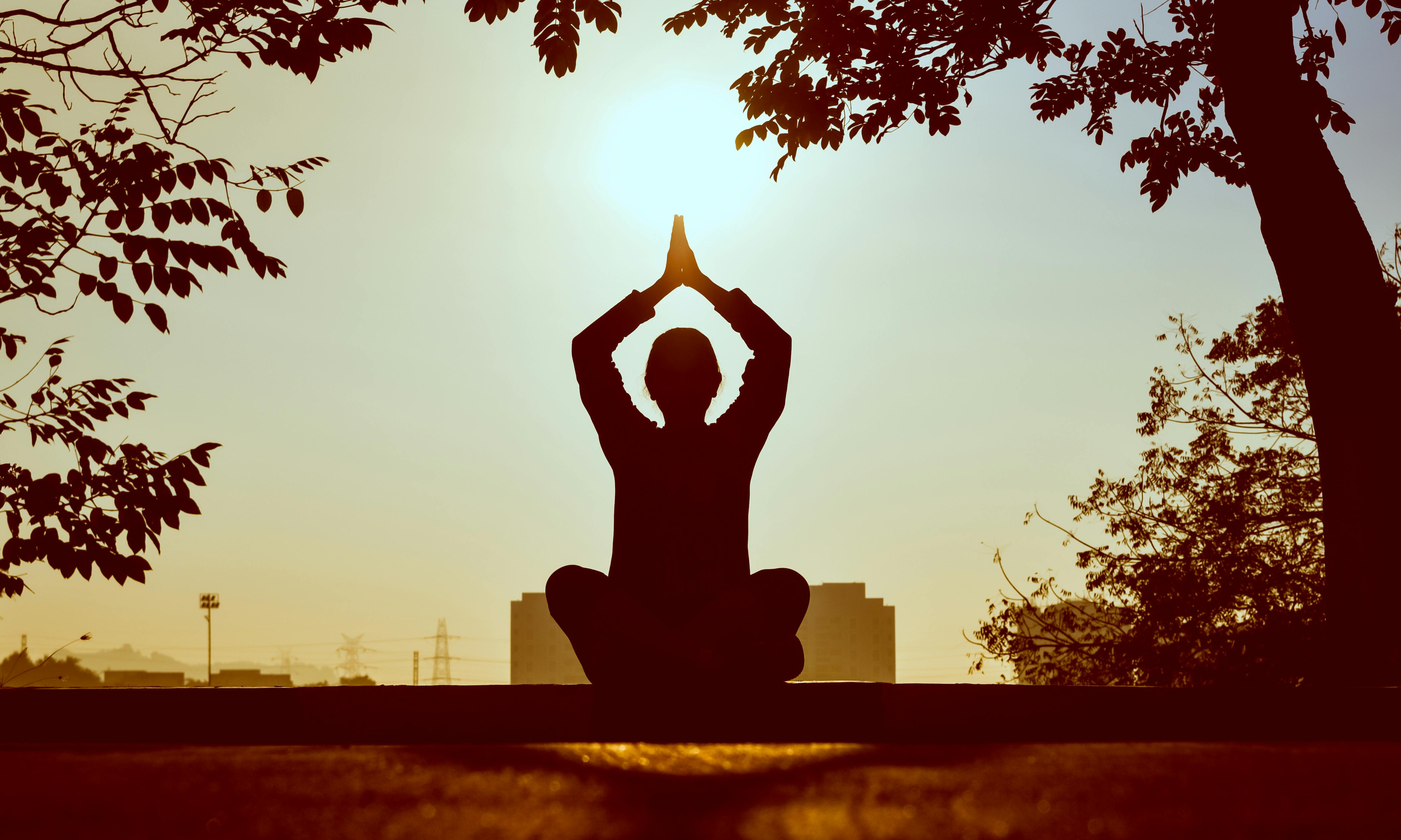
Dynamic Warm-Up Yoga Poses for Runners
If you’re gearing up for a run, dynamic warm-up yoga poses can be your best friend. These poses help loosen your muscles, improve flexibility, and get your blood flowing. They also provide a mental boost, preparing you for a great run. As a runner, adding yoga to your routine can make a huge difference. Let’s explore some fantastic dynamic yoga poses that will get you ready to hit the pavement.
Energizing Sun Salutations
Sun Salutations, or Surya Namaskar, are a perfect way to start your warm-up. They involve a sequence of poses that stretch and strengthen your entire body. Begin in Mountain Pose, standing tall with your feet together and hands at your sides. Inhale deeply and raise your arms overhead, then exhale and fold forward, touching your toes or shins.
Next, step back into a Plank Pose, engaging your core. Lower down into Chaturanga, then push forward into Upward Dog. Finally, shift back into Downward Dog, stretching your hamstrings and calves. Repeat this flow a few times to wake up your muscles and get your heart rate up. Sun Salutations are great because they combine stretching and strengthening, giving you a balanced warm-up. Plus, they help you focus and set a positive tone for your run.
Dynamic Warrior Poses
Warrior Poses are fantastic for building strength and stability. Start with Warrior I. Step one foot back and bend your front knee. Reach your arms overhead and hold for a few breaths. Feel the stretch in your hips and the power in your legs. This pose strengthens your quadriceps and improves balance.
Move into Warrior II by opening your hips and extending your arms parallel to the ground. This pose works your inner thighs and core. Focus on keeping your front knee aligned over your ankle. It helps improve your overall running form.
Finally, try Warrior III. Balance on one leg and extend your arms forward. Your body should form a straight line from head to heel. This pose challenges your balance and strengthens your stabilizing muscles. It’s an excellent way to activate your core and legs before a run. Dynamic Warrior Poses not only prepare your body but also clear your mind, making you feel strong and confident.
Leg Swings and Hip Circles
Leg swings and hip circles are simple yet effective dynamic stretches. Stand next to a wall or a stable surface for balance. Swing one leg forward and backward, gradually increasing the range of motion. Repeat this movement for 10-15 swings on each leg. These swings help loosen your hip flexors and hamstrings, key areas for runners.
Next, try side-to-side leg swings. These target your hip abductors and adductors, helping to improve your hip mobility. After leg swings, move into hip circles. Stand with your feet shoulder-width apart and place your hands on your hips. Rotate your hips in a circular motion, first clockwise and then counterclockwise. These movements reduce stiffness and enhance flexibility.
When doing leg swings and hip circles, visualize your run. Imagine your legs moving smoothly and your hips feeling loose. This mental preparation is crucial. It helps you approach your run with a positive mindset, reducing pre-run anxiety. Plus, these exercises are quick and easy, making them perfect for any warm-up routine.
Arm Circles and Shoulder Rolls
Don’t forget about your upper body! Arm circles and shoulder rolls are great for warming up your shoulders and upper back. Stand with your feet shoulder-width apart and extend your arms out to the sides. Make small circles with your arms, gradually increasing the size of the circles. Reverse the direction after a few rotations.
Shoulder rolls are equally important. Lift your shoulders towards your ears and then roll them back and down. This movement helps release tension in your neck and shoulders. Repeat this motion a few times, both forward and backward.
Warming up your upper body may seem less important for running, but it’s crucial for maintaining good posture. Proper posture enhances your breathing and overall running form. Plus, it contributes to your mental preparation by making you feel more composed and ready to tackle the miles ahead.
Dynamic Lunges
Dynamic lunges are another excellent addition to your warm-up routine. Start by standing tall and stepping one foot forward into a lunge position. Ensure your front knee is directly above your ankle. Push off your front foot to return to the starting position, then repeat with the other leg. Incorporate a twist in your lunges for an added benefit. As you lunge forward, twist your torso towards your front leg. This movement stretches your spine and engages your core. Perform 10-12 lunges on each leg, alternating sides.
Dynamic lunges activate your glutes, hamstrings, and quadriceps. They also promote better balance and coordination. Including lunges in your warm-up sets you up for a more efficient run. Mentally, lunges help you focus on your form and breathing, crucial elements in your running preparation.
(Interesting, right? Well, there’s more!)
…
Incorporating dynamic warm-up yoga poses into your pre-run routine can make a significant difference in your running experience. Poses like Sun Salutations, Warrior Poses, and dynamic stretches like leg swings and lunges not only prepare your body but also help build a positive, focused mindset. By taking a few minutes to go through these dynamic warm-up yoga poses, you’ll be ready to tackle your run with confidence and ease. So give these yoga poses a try and surely you’ll see a big difference!
Recovery Yoga for Tired Muscles
Running can be tough on your muscles, but recovery yoga can help you bounce back quickly. Incorporating yoga into your post-run routine can ease soreness, improve flexibility, and speed up recovery. As a runner, taking care of your muscles is crucial, and yoga offers the perfect way to do just that. Let’s explore some gentle yoga poses that will help your tired muscles recover and get you back on the road feeling refreshed.
Relax with Child’s Pose
Child’s Pose is a wonderfully soothing pose that gently stretches your back, hips, and thighs. Start by kneeling on the floor, sitting back on your heels. Lower your chest towards the ground, extending your arms in front of you. Rest your forehead on the mat and take slow, deep breaths.
This pose is perfect for winding down after a run. It helps release tension in your lower back and shoulders, areas that can get tight from running. Spending a few minutes in Child’s Pose allows you to reconnect with your breath and calm your mind. It’s a simple yet effective way to start your recovery yoga session.

Stretch Your Hips with Pigeon Pose
Pigeon Pose is a fantastic stretch for your hip flexors and glutes, which can get tight from running. Begin in a plank position, then bring your right knee forward and place it behind your right wrist. Extend your left leg straight back, lowering your hips towards the ground. Keep your upper body lifted or, for a deeper stretch, lower your torso over your front leg.
Hold this pose for a few breaths, then switch sides. Pigeon Pose targets deep hip muscles, helping to release built-up tension. It can feel intense, but it’s incredibly beneficial for improving flexibility and reducing soreness. As you relax into the pose, you’ll feel the tightness melt away, leaving your hips feeling looser and more mobile.

Soothe Your Hamstrings with Forward Fold
A Standing Forward Fold is excellent for stretching your hamstrings and lower back. Stand with your feet hip-width apart and slowly bend forward from your hips, reaching for your toes. Let your head hang heavy and relax your neck. If your hamstrings are tight, bend your knees slightly.
This pose helps elongate the spine and release tension in the back of your legs. It’s a gentle way to stretch out muscles that often get tight from running. Plus, the inversion aspect of this pose can help calm your nervous system and promote relaxation. Spend a few moments here, breathing deeply and enjoying the stretch.

Open Your Chest with Bridge Pose
Bridge Pose is great for opening up your chest, shoulders, and hip flexors. Lie on your back with your knees bent and feet flat on the floor, hip-width apart. Press into your feet to lift your hips towards the ceiling. Clasp your hands under your back and roll your shoulders underneath you.
Hold this pose for a few breaths, feeling the stretch in your chest and the activation in your glutes and hamstrings. Bridge Pose not only helps stretch tired muscles but also strengthens your back and core. It’s a wonderful way to counteract the forward hunching posture that can occur during long runs.

Twist Away Tension with Supine Spinal Twist
Supine Spinal Twist is a relaxing pose that releases tension in your back and spine. Lie on your back and draw your right knee towards your chest. Cross it over your body to the left side, extending your right arm out to the side. Keep your shoulders flat on the ground and turn your head to the right.
Hold this twist for a few breaths, then switch sides. Twisting poses help wring out your spine and improve mobility. They’re also great for massaging your internal organs and aiding digestion. This gentle twist can help alleviate back pain and enhance spinal flexibility, making it a perfect addition to your recovery routine.

Lengthen Your Body with Downward Dog
Downward Dog is a staple yoga pose that offers a full-body stretch. Start on your hands and knees, then lift your hips up and back, straightening your legs. Press your heels towards the ground and spread your fingers wide.
This pose stretches your hamstrings, calves, and shoulders while strengthening your arms and legs. It’s a great way to release tension and lengthen your entire body. Downward Dog also improves blood circulation, which can aid in muscle recovery. Hold the pose for a few breaths, focusing on deep, steady breathing.

Cool Down with Legs Up the Wall
Legs Up the Wall is a restorative pose that helps reduce swelling and fatigue in your legs. Sit close to a wall and swing your legs up, lying down on your back. Your legs should be straight up against the wall, with your hips as close to the wall as comfortable.
This pose promotes blood flow back to your heart and relaxes your lower body. It’s a gentle way to end your recovery yoga session, allowing your muscles to fully relax. Spend a few minutes here, breathing deeply and letting go of any remaining tension.

…
Incorporating recovery yoga into your post-run routine can make a significant difference in how you feel. Poses like Child’s Pose, Pigeon Pose, and Supine Spinal Twist help release tension and improve flexibility. By taking the time to stretch and relax, you’re giving your muscles the care they need to recover effectively. So, after your next run, roll out your yoga mat and give these poses a try. Your body will thank you, and you’ll be ready for your next run with renewed energy and flexibility.
Breathing Techniques to Enhance Endurance
Breathing is something we all do, but as a runner, mastering your breath can significantly boost your endurance. By incorporating specific breathing techniques into your routine, you can improve your stamina, reduce fatigue, and run more efficiently. Let’s explore some effective breathing techniques that are particularly beneficial for runners. These methods can help you maintain a steady pace and keep your energy levels high throughout your run. Plus, they align perfectly with the principles of yoga for runners, blending breath and movement seamlessly.
The Basics of Diaphragmatic Breathing
Diaphragmatic breathing, also known as belly breathing, is a fundamental technique that helps you breathe more deeply and efficiently. Start by placing one hand on your chest and the other on your belly. Inhale deeply through your nose, allowing your belly to rise as your diaphragm fills with air. Exhale slowly through your mouth, letting your belly fall. This type of breathing engages your diaphragm, increasing your lung capacity and oxygen intake.
Practicing diaphragmatic breathing can help you develop a steady, rhythmic breath, which is crucial during long runs. It reduces the strain on your chest and shoulders, allowing for a more relaxed and efficient running form. Incorporating this technique into your warm-up or cool-down routine can make a big difference in your overall performance.
The Power of Nasal Breathing
Nasal breathing involves inhaling and exhaling through your nose, rather than your mouth. This technique can improve your oxygen efficiency and help maintain a steady pace. When you breathe through your nose, the air is filtered and humidified, making it easier on your lungs. It also encourages you to take slower, deeper breaths, which can enhance your endurance.
To practice nasal breathing, start by closing your mouth and taking slow, deep breaths through your nose. Focus on expanding your rib cage and abdomen as you inhale. It might feel challenging at first, especially during intense runs, but with practice, it can become second nature. Nasal breathing helps regulate your breathing rate and can reduce the risk of hyperventilation. It’s a simple yet powerful technique that can make your runs more efficient and enjoyable.
Rhythmic Breathing for Runners
Rhythmic breathing involves coordinating your breath with your running strides. This technique helps create a balanced and efficient running rhythm, reducing the impact stress on your body. One common method is the 3:2 ratio, where you inhale for three steps and exhale for two steps. This pattern ensures that you’re exhaling on alternating foot strikes, distributing the impact evenly across both sides of your body.
To practice rhythmic breathing, start by counting your steps as you run. Inhale for three steps, then exhale for two steps. Adjust the ratio to match your running intensity. For example, during a sprint, you might use a 2:1 ratio. Rhythmic breathing helps you maintain a consistent pace and can prevent side stitches. It also enhances your focus and mental clarity, making it a valuable tool for long-distance runs.
Integrating Yoga Breathing Techniques
Yoga for runners isn’t just about stretching; it’s also about mastering your breath. Pranayama, the practice of breath control in yoga, offers several techniques that can benefit runners. One effective method is Ujjayi breathing, also known as ocean breath. This technique involves inhaling deeply through your nose while slightly constricting the back of your throat, creating a soft, ocean-like sound. Exhale through your nose, maintaining the same throat constriction.
Ujjayi breathing helps regulate your breath and can keep you calm and focused during your run. It also enhances oxygen delivery to your muscles, improving endurance. Another useful technique is Nadi Shodhana, or alternate nostril breathing. This practice balances the flow of energy in your body and can reduce pre-run anxiety. To practice Nadi Shodhana, close your right nostril with your thumb, inhale through your left nostril, then close your left nostril with your ring finger and exhale through your right nostril. Continue alternating sides for a few minutes.
Integrating these yoga breathing techniques into your routine can provide both physical and mental benefits. They help you stay present and mindful, allowing you to enjoy your run more fully. Plus, they align perfectly with the holistic approach of yoga for runners, enhancing both your breath and your movement.
Cooling Down with Deep Breathing
After a long run, cooling down with deep breathing exercises can aid in recovery. Deep breathing helps lower your heart rate, reduce muscle tension, and calm your nervous system. One effective cooling-down technique is the 4-7-8 breath. Inhale through your nose for a count of four, hold your breath for a count of seven, then exhale slowly through your mouth for a count of eight.
This technique promotes relaxation and can help reduce post-run soreness. Another helpful practice is box breathing, where you inhale for four counts, hold for four counts, exhale for four counts, and hold again for four counts. Box breathing is simple yet effective in bringing your body back to a state of rest and recovery.
Incorporating these deep breathing exercises into your cool-down routine can enhance your overall recovery. They help you transition from the intensity of your run to a state of relaxation, promoting faster muscle repair and reducing stress.
…
Mastering breathing techniques is essential for enhancing your endurance and overall running performance. Techniques like diaphragmatic breathing, nasal breathing, and rhythmic breathing can significantly improve your stamina and efficiency. Integrating yoga breathing techniques, such as Ujjayi and Nadi Shodhana, can provide additional physical and mental benefits, aligning perfectly with the principles of yoga for runners. By incorporating these practices into your routine, you’ll not only run longer and stronger but also enjoy the process more fully. So, the next time you lace up your running shoes, remember to breathe deeply and run mindfully.
Strengthening Exercises for Core Stability
Having a strong core is crucial for runners. It helps you maintain good posture, reduces the risk of injury, and improves your overall running performance. Incorporating core-strengthening exercises into your routine can enhance your stability and endurance. Plus, combining these exercises with yoga for runners can offer even more benefits. Let’s dive into some effective core exercises that will keep you running strong and injury-free.
Plank Variations
Planks are a fantastic exercise for building core strength. They target your entire core, including your abs, back, and shoulders. Start with the basic plank. Place your hands directly under your shoulders and extend your legs back, keeping your body in a straight line. Hold this position for 30 seconds to a minute, engaging your core and keeping your hips level.
Once you’re comfortable with the basic plank, try some variations. Side planks are great for targeting your obliques. Lie on your side, prop yourself up on one forearm, and stack your feet. Lift your hips to create a straight line from head to heels. Hold this position and then switch sides. Another variation is the plank with leg lifts. In a basic plank position, lift one leg at a time, keeping it straight and engaging your glutes.
Plank variations are not only effective but also versatile. You can modify them to match your fitness level and gradually increase the difficulty. They’re a core staple that should definitely be part of your routine.

Boat Pose for Balance
Boat Pose, or Navasana, is a challenging yoga pose that strengthens your core and improves balance. Sit on the floor with your knees bent and feet flat. Lean back slightly and lift your feet off the ground, balancing on your sit bones. Extend your arms forward at shoulder height and straighten your legs to form a V shape with your body.
Hold this pose for a few breaths, keeping your spine straight and your core engaged. If you find it too challenging, you can keep your knees bent or hold onto the back of your thighs for support. Boat Pose not only strengthens your abs but also your hip flexors and spine. It’s a great addition to any runner’s yoga routine, helping to build the stability needed for efficient running.
Russian Twists for Obliques
Russian Twists are excellent for targeting your obliques, the muscles on the sides of your abdomen. Sit on the floor with your knees bent and feet flat. Lean back slightly, keeping your back straight, and lift your feet off the ground. Clasp your hands together and twist your torso to the right, then to the left, tapping your hands on the ground beside you.
For an added challenge, hold a weight or medicine ball while performing the twists. Aim for 10-15 twists on each side. This exercise not only strengthens your obliques but also improves your rotational stability, which is important for maintaining balance during runs. Russian Twists can be easily modified to match your fitness level and are a fun way to work on your core strength.
Bird-Dog for Balance and Coordination
Bird-Dog is a simple yet effective exercise that enhances balance and coordination. Start on your hands and knees with your wrists under your shoulders and knees under your hips. Extend your right arm forward and your left leg back, keeping both parallel to the ground. Hold for a few seconds, then return to the starting position and switch sides.
This exercise engages your entire core, including your back muscles. It’s great for improving stability and coordination, which are essential for runners. Bird-Dog also helps strengthen your lower back, reducing the risk of injury. Incorporating this exercise into your routine can help you run more efficiently and with better form.
Bridge Pose for Glutes and Core
Bridge Pose is a fantastic yoga pose that strengthens your glutes, lower back, and core. Lie on your back with your knees bent and feet flat on the floor, hip-width apart. Place your arms at your sides, palms down. Press into your feet to lift your hips towards the ceiling, creating a straight line from your knees to your shoulders.
Hold this position for a few breaths, squeezing your glutes and engaging your core. Lower your hips back down and repeat. Bridge Pose not only strengthens your core but also opens up your hip flexors, which can get tight from running. It’s a great way to build strength and flexibility simultaneously.
Superman Exercise for Back Strength
The Superman exercise is perfect for strengthening your lower back and core. Lie face down on the floor with your arms extended in front of you. Simultaneously lift your arms, chest, and legs off the ground, engaging your back muscles. Hold for a few seconds, then lower back down.
This exercise targets your entire posterior chain, including your glutes, hamstrings, and back. It’s important for runners to have a strong back to maintain good posture and reduce the risk of injury. The Superman exercise is simple yet highly effective, and it can be easily incorporated into your routine.
Dead Bug for Stability
Dead Bug is a great exercise for improving core stability and coordination. Lie on your back with your arms extended towards the ceiling and your knees bent at 90 degrees. Slowly lower your right arm and left leg towards the floor while keeping your lower back pressed into the ground. Return to the starting position and switch sides.
This exercise engages your entire core and helps improve coordination. It’s particularly beneficial for runners, as it mimics the opposite arm-leg movement used during running. Dead Bug is a safe and effective way to build core strength and stability.
…
Incorporating core-strengthening exercises into your routine is essential for improving your running performance and reducing the risk of injury. Exercises like planks, Boat Pose, and Russian Twists target different areas of your core, providing a well-rounded workout. Combining these exercises with yoga for runners can offer additional benefits, enhancing your overall stability and endurance. By taking the time to strengthen your core, you’ll be able to run more efficiently and with better form. So, add these exercises to your routine and enjoy the improvements in your running experience.
…
Adding yoga to your list of habits can make a huge difference in your running performance. It helps you stay flexible, strong, and injury-free. Whether you’re stretching out tight muscles or building core strength, yoga for runners is a game-changer. So, roll out your mat, try these routines, and feel the positive impact on your runs. Happy running and namaste!
In this article:
- Dynamic Warm-Up Yoga Poses for Runners
- Dynamic warm-up yoga poses loosen muscles, improve flexibility, and boost mental readiness for running.
- Sun Salutations: A sequence that stretches and strengthens the entire body, starting from Mountain Pose to Downward Dog.
- Warrior Poses: Build strength and stability, including Warrior I, II, and III, which improve balance and running form.
- Leg Swings and Hip Circles: Simple stretches to loosen hip flexors, hamstrings, and improve hip mobility.
- Arm Circles and Shoulder Rolls: Warm up shoulders and upper back to maintain good posture during running.
- Dynamic Lunges: Activate glutes, hamstrings, and quadriceps, and improve balance and coordination.
- Recovery Yoga for Tired Muscles
- Recovery yoga eases soreness, improves flexibility, and speeds up muscle recovery post-run.
- Child’s Pose: Stretches back, hips, and thighs while calming the mind.
- Pigeon Pose: Stretches hip flexors and glutes, improving flexibility and reducing soreness.
- Forward Fold: Stretches hamstrings and lower back, promoting relaxation.
- Bridge Pose: Opens chest, shoulders, and hip flexors, strengthening back and core.
- Supine Spinal Twist: Releases tension in the back and spine, aiding digestion.
- Downward Dog: Full-body stretch that improves blood circulation and muscle recovery.
- Legs Up the Wall: Reduces swelling and fatigue, promoting relaxation.
- Breathing Techniques to Enhance Endurance
- Mastering breathing techniques boosts endurance and reduces fatigue.
- Diaphragmatic Breathing: Involves deep belly breathing to increase lung capacity and oxygen intake.
- Nasal Breathing: Improves oxygen efficiency and maintains a steady pace.
- Rhythmic Breathing: Coordinates breath with strides, using patterns like 3:2 ratio for balanced running rhythm.
- Yoga Breathing Techniques: Ujjayi (ocean breath) and Nadi Shodhana (alternate nostril breathing) enhance oxygen delivery and reduce anxiety.
- Cooling Down with Deep Breathing: Techniques like 4-7-8 breath and box breathing aid in recovery and relaxation.
- Strengthening Exercises for Core Stability
- A strong core maintains good posture, reduces injury risk, and enhances running performance.
- Plank Variations: Strengthen the entire core, including abs, back, and shoulders.
Incorporating these yoga practices and breathing techniques into your routine can significantly enhance your running experience, making your runs more efficient, enjoyable, and injury-free.
Leave a Reply